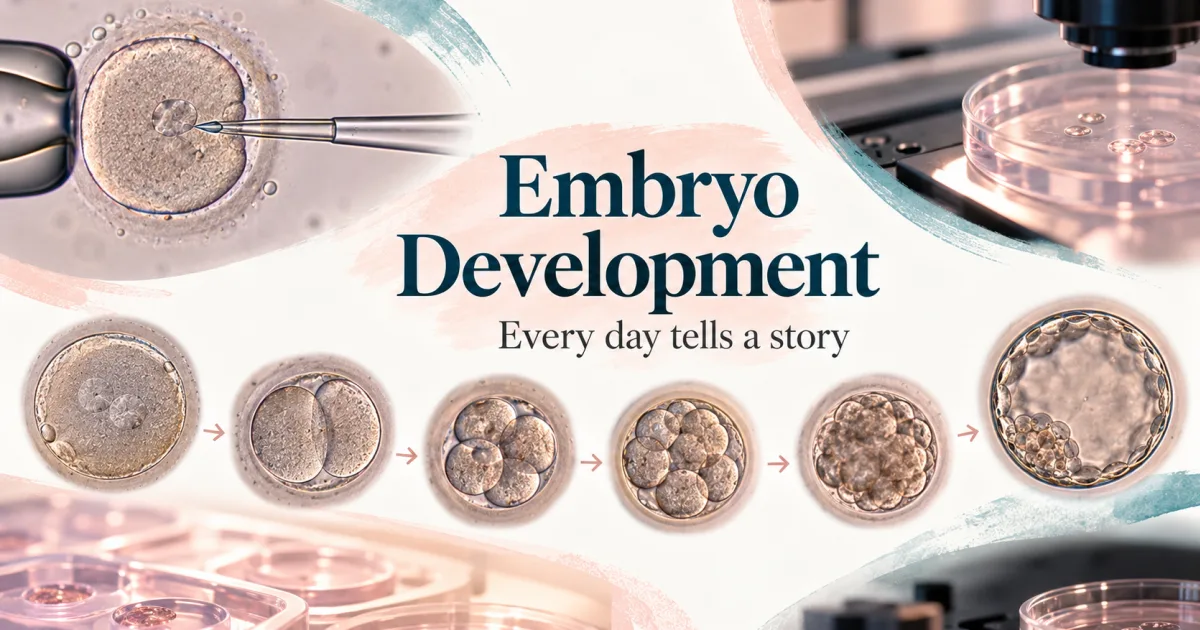
Follicular Study: What It Is, Why It Matters, and When to Consider It

Dr. Vedant Jain
IVF Consultant & Gynecologist
October 21, 2026
7 min read
Waiting month after month can feel exhausting. A cycle looks normal on paper, yet pregnancy does not happen. That uncertainty is often where a follicular study enters the picture.
A follicular study helps monitor how follicles grow during a menstrual cycle. It gives your doctor a clearer view of ovulation timing. For couples trying for pregnancy, that timing can make a difference. It can also support decisions around ovulation induction, IUI treatment, and other fertility solutions.
This guide explains follicular study in simple terms. You will learn what it is, why doctors use it, and how it fits into fertility care in Indore.
What Is a Follicular Study?
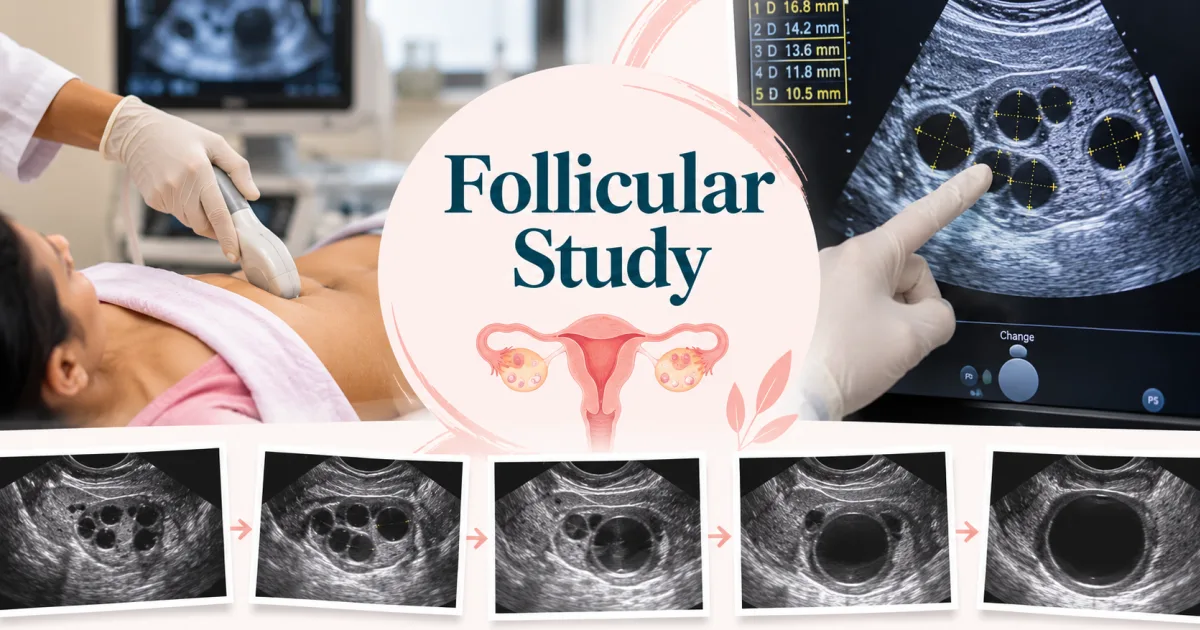
A follicular study is a series of ultrasound scans. It tracks the growth of ovarian follicles across a cycle. Follicles are the small fluid-filled sacs that contain eggs.
Doctors use this study to understand how the ovaries are responding. They can see whether a dominant follicle grows as expected and whether ovulation seems likely. That makes the study useful when a couple is trying to identify fertile days.
The test does not treat infertility by itself. It helps guide treatment planning. That is why it often appears alongside ovulation induction, IUI treatment, and fertility counselling.
Why doctors recommend it
A follicular study helps answer practical questions. Is a follicle growing? Is ovulation approaching? Is the cycle behaving as expected?
That information matters when conception is taking longer than expected. It also matters for women with pco or pcod, where cycles may be irregular. In those cases, timing can be harder to predict.
Key points:
It tracks follicle growth through the cycle.
It helps estimate ovulation timing.
It supports treatment planning for fertility solutions.
When Should You Consider a Follicular Study?
Doctors may suggest a follicular study when pregnancy has not happened after repeated attempts. It may also help when cycles are irregular. A changing cycle can make ovulation difficult to track at home.
Couples with pco or pcod treatment needs may also hear about this study early in care. That is because ovulation may not follow a regular pattern. A follicular study can help the doctor observe what the ovaries are doing in real time.
It may also be used when planning iui treatment. Timing matters there. The study helps identify the best window for action.
Signs that make it worth discussing
You may want to ask about follicular study if:
Your periods are irregular.
You suspect poor ovulation timing.
You are already discussing ovulation induction.
You are planning IUI.
You want clearer guidance on fertile days.
How Does a Follicular Study Work?
A follicular study usually involves more than one scan. The doctor examines the ovaries at different points in the cycle. This allows the team to see how follicles change over time.
The first scan often gives a baseline view. Later scans show whether follicles are growing. The doctor then uses those observations to guide next steps. That may include continuing observation, timing intercourse, or planning treatment support.
The process is simple, but the value comes from repetition. One scan gives a snapshot. Several scans tell a story.
What the doctor is looking for
The scan helps the doctor follow:
Follicle size and growth
Signs that ovulation may be near
Whether the cycle is progressing normally
A follicular study is not a stand-alone promise of pregnancy. It is a decision-making tool. That makes it useful across many fertility paths.
How Does It Help in Fertility Care?
Follicular study supports more informed fertility care. It helps a doctor match treatment to cycle timing. That matters when the goal is to improve the chance of conception without guesswork.
It is especially relevant when cycles need closer monitoring. It can guide ovulation induction plans. It can also support iui treatment by helping the team identify the right timing.
Follicular study also fits into broader fertility counselling. Couples often need clarity before they move forward. A clear scan-based plan can make the path less confusing.
Where it fits in common fertility solutions
At Asian Institute of Infertility Management in Indore, follicular study can sit alongside:
Ovulation induction
IUI treatment
Advanced IVF treatment
PCOS clinic support
Egg freezing fertility preservation
Male infertility evaluation and treatment
Counselling and nutrition support
Online consultations and appointments
That range matters because fertility care is rarely one-size-fits-all. Some customers need cycle tracking. Others need deeper evaluation. Some need preservation options like egg freezing fertility preservation. Others need help with male factor concerns such as azoospermia.
What If the Study Shows Irregular Follicle Growth?
Irregular follicle growth can point to a cycle that needs closer attention. It may help explain why ovulation is hard to predict. It can also guide a doctor toward the next appropriate solution.
If a cycle does not progress as expected, the doctor may review the overall fertility picture. That may include ovulation induction, PCOS support, or a discussion about iui treatment. If needed, fertility specialists may also consider advanced IVF treatment.
The important point is not to panic over one scan. The study is about pattern, not a single moment. It helps the doctor make a more informed recommendation.
What women with pco or pcod often ask
Many women with pco or pcod want to know whether they are ovulating at all. That is a fair question. A follicular study can help doctors monitor the cycle more closely.
It can also reduce uncertainty. Rather than guessing, the doctor can look at follicle growth over time and advise accordingly. That is often reassuring for couples who have been trying for a while.
“Clear cycle monitoring often gives couples a better sense of timing and next steps.”
Why Fertility Timing Matters So Much
Pregnancy depends on timing, especially when cycles are irregular. If ovulation is unclear, the fertile window becomes harder to identify. That can make trying feel random.
Follicular study brings structure to that uncertainty. It shows whether the cycle is moving toward ovulation. That timing can help couples and doctors plan the next step with more confidence.
This is one reason fertility care in Indore often includes both testing and guidance. It is not only about procedures. It is also about understanding the cycle properly.
A practical way to think about it
Think of follicular study as a map for the cycle. Without it, the route can feel unclear. With it, the doctor can see where the cycle is heading and whether treatment should stay the same or change.
Why Couples in Indore Look for Fertility Care Early
Many couples wait too long before seeking help. That can add stress. It can also delay useful testing like follicular study.
Early consultation gives the doctor more time to observe patterns. It can also help couples understand their options, from ovulation induction to advanced IVF treatment. For some, the right step may be simple cycle tracking. For others, it may be a broader workup.
Asian Institute of Infertility Management has offered infertility care since 1995. The centre provides personalised, evidence-based treatments and counselling, with an on-site team of embryology and support staff. That combination supports customers who want clarity and transparent protocols.
When online consultations can help
Online consultations and appointments can be useful when customers want an initial discussion before visiting the clinic. They can help answer early questions about follicular study, pco, pcod treatment, or iui treatment.
That makes the first step easier. It also helps families in and around Indore start the conversation sooner.
Conclusion: What to Remember About Follicular Study
Follicular study is a practical way to monitor ovulation timing. It helps doctors understand how follicles are growing and whether a cycle is moving toward ovulation. For couples trying for pregnancy, that information can guide the next decision.
It is especially useful when periods are irregular, when pco or pcod makes timing harder, or when iui treatment is being planned. It also fits naturally into a wider fertility care plan that may include ovulation induction, advanced IVF treatment, counselling, nutrition support, and fertility preservation.
If you are trying to understand your cycle better, start with a consultation. A clear scan-based plan can bring direction to the process.
Call to Action
Ready to discuss follicular study and fertility care in Indore?
Book an appointment with Asian Institute of Infertility Management to explore the right solution for your needs.
Share this article
Book an appointment
Consult with our specialist to know more.